
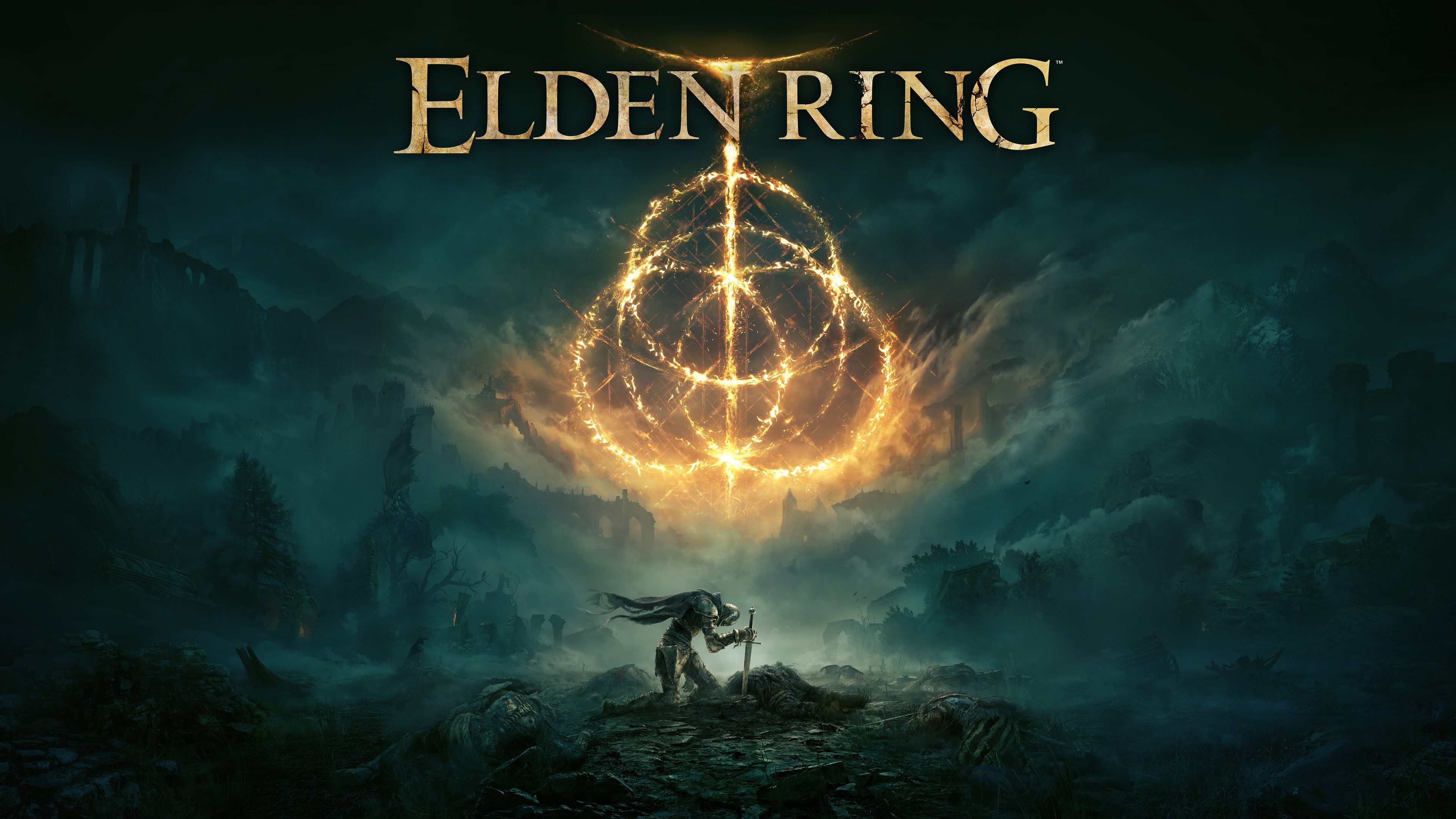
FromSoftware · 官方原声
艾尔登法环
作曲者 Tsukasa Saitoh 将配乐方向概括为史诗感与沉着坚韧,并使用完整管弦乐队与歌者录音。同名主题曲承担着激励玩家启程的作用。
先确立 Boss 的戏剧身份与重量感,保留配器余量,再用主题回归表现战局升级。

先看玩家正在做什么:在营地休息、阅读配方、应对遭遇战,还是迎战特定敌人。本页研究六款游戏,其中四款选自 Steam 最热玩游戏快照,另外补充 Elden Ring 与 PS5 游戏 Astro Bot。Steam 快照按当前玩家数排序,不评价音乐质量,也不是这六款游戏的统一排名。自适应音乐研究支持检验游戏事件与音乐选择之间的联系,但没有证明某种风格普遍最好。先听官方参考,再选择下方的原创创作说明,最后将生成的音频放回实际场景试听。
一次只定义一种状态及其进入、退出条件:探索、制作、战斗或Boss阶段。还要考虑玩家停留时间比预期更长时,音乐如何处理。
写明游戏视角与实际听音条件。单人农场与多人交火需要避让的对白、操作音和警报不同,不能只写“沉浸感强”。
六套示例都使用纯音乐。如果角色需要唱歌,另写原创歌词,并明确哪些对白和攻击提示出现时,人声必须让出空间。
给乐器分工,并描述强度怎样变化。速度、小节和循环要求只是生成方向;实际音频的节拍、时长与衔接仍要测量和编辑。
这里展示的是原游戏官方参考音乐,不是Tunenoodle生成结果。我们把可核查的制作说明与自己的创作应用分开:借鉴音乐在场景里的作用,不要求复刻已有旋律、歌词或表演者。
FromSoftware · 官方原声
作曲者 Tsukasa Saitoh 将配乐方向概括为史诗感与沉着坚韧,并使用完整管弦乐队与歌者录音。同名主题曲承担着激励玩家启程的作用。
先确立 Boss 的戏剧身份与重量感,保留配器余量,再用主题回归表现战局升级。

Team Asobi · PlayStation 5
Team Asobi 特别强调 Kenneth C M Young 易记的曲调。他在前作《Astro’s Playroom》的创作回顾中,先用鼓与贝斯找到合适的活力,再写旋律。
平台跳跃需要清晰脉冲和易记主题来维持行动感;在玩家需要判断时机的段落,减少配器密度。
2026-09-25 06:56 UTC · #10
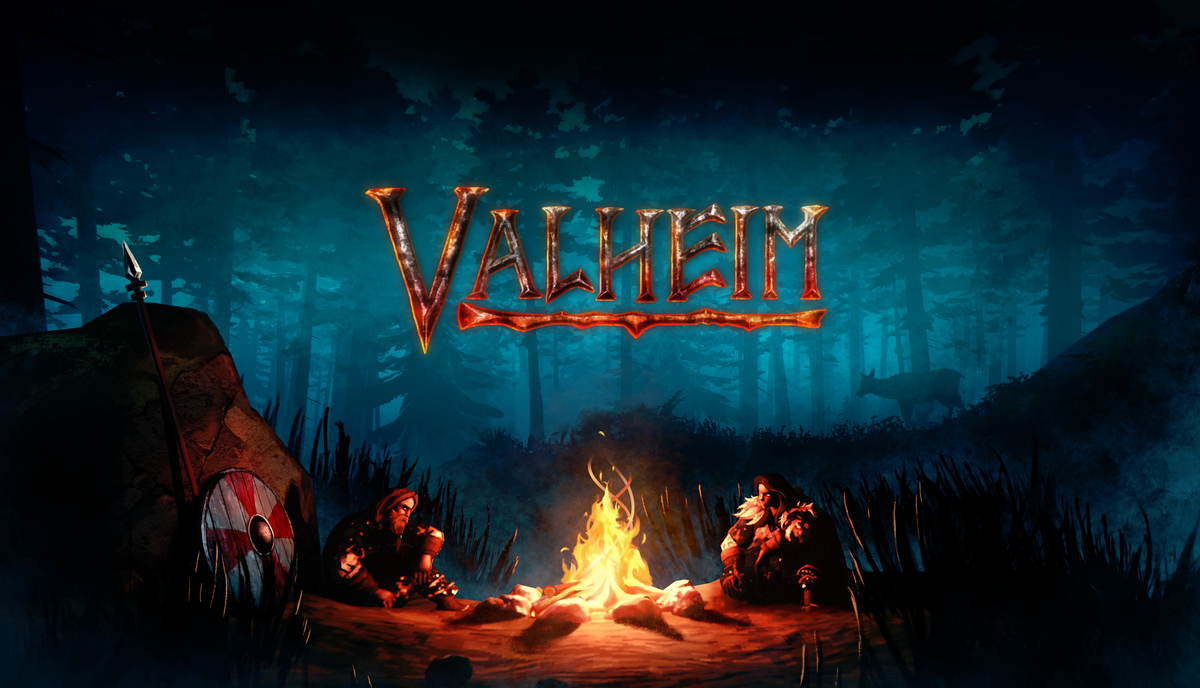
官方原声说明对比了Meadows的柔和与Eikthyr遭遇战的金属音乐。 可在官方专辑试听“The Meadows – A place to rest”和“Eikithyr rides”。
安全营地先留出呼吸,再考虑危险如何出现。下方探索稿采用新的室内乐民谣编配,不是对原声的复原。

2026-09-25 06:56 UTC · #23
ConcernedApe在2014年的开发记录中说明了季节情绪、乐器色彩及歌曲之间的环境声间隙。 在作曲者官方原声中对比“Spring (The Valley Comes Alive)”与“Winter (The Wind Can Be Still)”。
把季节和日常任务写进简报。轻柔收束可以服务间歇播放;经营配乐不必每次都无限循环。
2026-09-25 06:56 UTC · #39
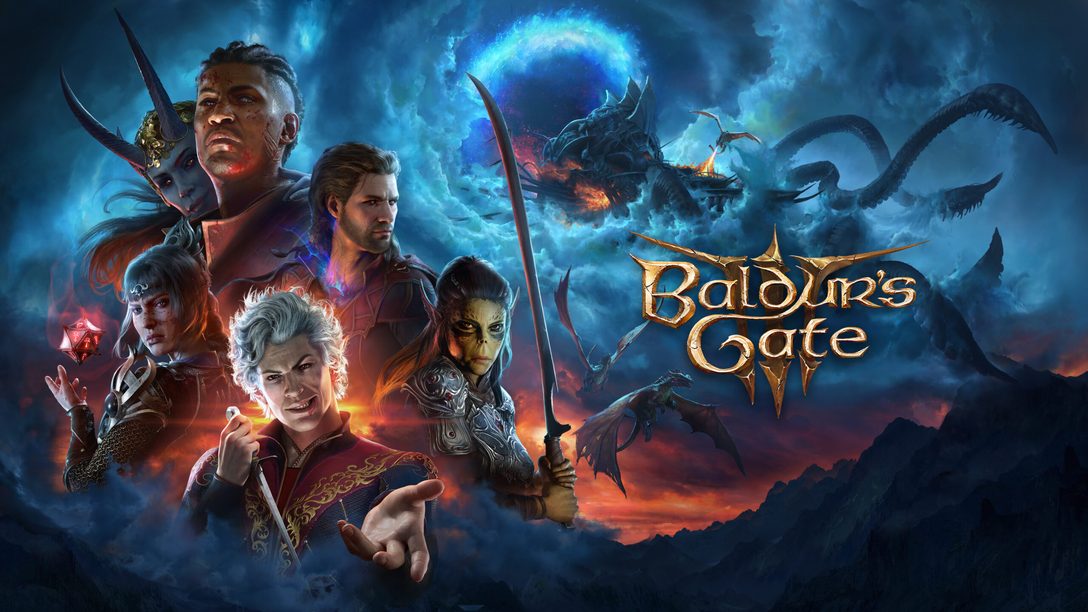
作曲者Borislav Slavov官方艺人频道提供“Raphael’s Final Act”。 这首作品可用于研究如何让特定对峙拥有自己的戏剧身份。
给自己的Boss设计音乐性格。下方“机械君主”稿使用纯器乐问答,不借用角色名、歌词或旋律。
6套完整方案,分别服务不同的使用场合。先选用途,再根据下方建议改写。
01 · 纯音乐
A quiet mountain camp gives way to a curious walk. Rock gently in 6/8, dotted-quarter about 52 BPM, D Dorian. Nylon guitar carries the trail; clarinet offers an original short reply and bowed bass places only sparse roots. Start with guitar alone, let clarinet join for two eight-bar phrases, then return to that opening texture. Instrumental Nordic chamber-folk, warm and spacious, no percussion. Leave breaths between phrases and an open ending for a possible loop edit.
02 · 纯音乐
Spring workshop palette: Banjo — soft arpeggios for daily motion. Marimba — an original four-note tune. Flute — replies at phrase ends. Upright bass + brushes — light footing; leave tool clicks clear. Make instrumental chamber-pop, warm major harmony, 4/4 near 92 BPM. After a four-bar introduction, contrast two eight-bar phrases and return gently. Close softly: this cue should be able to yield to environmental ambience instead of running continuously.
03 · 纯音乐
Squad encounter / instrumental industrial-orchestral hybrid / 124 BPM, 4/4, minor. CONTACT: low strings set an eighth-note pulse over restrained synth bass; medium tension. ESCALATION, 8 bars: introduce dry metal accents; brief original brass calls fit between phrases. COMBAT, 16 bars: hold the drive steady and leave radio speech and warnings clear. EXIT: sustain unresolved tension for a loop edit. The squad is still in danger; avoid a victory cadence.
04 · 纯音乐
Give a clockwork sovereign a stern original three-note signature. A pipe-organ pedal grounds it; staccato strings answer, while low brass is reserved for phase changes. The ruler's measured menace suggests 3/4 at 108 BPM in A harmonic minor. In this instrumental chamber-orchestral boss cue, spend eight sparse bars in confrontation, drive forward for sixteen, then withdraw to organ and strings. Keep the top register open for attack cues and hold tension for an edited loop.
05 · 纯音乐
Cue notes: a guardian wakes in a ruined observatory. AWAKENING — low strings, distant timpani; 6/8 with dotted-quarter near 56 BPM. CHALLENGE — a broad original brass motif, solemn rather than frantic. DUEL — upper-string pulses increase the motion. HUSH / RETURN — briefly withdraw, then restore the full orchestra. An instrumental ceremonial boss score, no vocals or borrowed melodies. Leave combat attacks audible; suspend the final harmony for an editable return to the opening.
06 · 纯音乐
Groove recipe for a sunny robot platformer: lock buoyant synth bass to crisp drums at 124 BPM, add bright keyboard chords, then a short original playful lead hook. Fold syncopated plucks into its gaps. Keep the mix light enough for pickups and footsteps. For tricky jumps, remove layers without changing the pulse; bring the hook back when spring pads and sky bridges open up again. Stay curious and instrumental, with no borrowed tune. Finish at a clean edit point.
示例提供完整英文音乐描述,歌曲的人声语言按当前页面设置。速度、拍号、乐句和音域都是创作目标,需要实际试听;个人姓名与完整歌词请在自定义模式中另填。
按钮会预填描述与纯音乐选项。你可以继续编辑,确认后才开始生成;时间点与段落安排需要试听和后期剪辑验证。
| 玩家状态 | 制作重点 | 场景验收 |
|---|---|---|
| 探索或经营 | 短动机、克制的密度,以及留给环境声的空间 | 边听边阅读文字、打开菜单、重复日常操作,判断是否很快疲劳。 |
| 战斗或Boss阶段 | 清楚的脉冲、乐器分工和受控的强度提升 | 在最密集的片段,仍应听清队友语音、攻击提示和警报。 |
| 过渡或重复播放 | 可衔接的回归位置,或有意安排的结束 | 同时检查乐句、和声与混响尾音;找到零交叉点不等于做成无缝循环。 |
选择下方一种简报,把地点和行动换成自己的游戏设定。保留节奏、旋律与重音的明确分工;每轮只修改一个变量,才知道哪处修改有效。
生成候选版本,配着真实玩法或代表性录屏试听,在相近的感知音量下比较。既检查激烈动作,也检查等待与阅读,不能只挑最精彩的几秒。
裁出合适片段,重复试听并记录实际速度和时长。状态切换与音乐过渡要在游戏引擎或音频中间件里实现,生成音频本身不附带这些逻辑。
静态音乐可以有起伏,却不会因此响应玩家。分别生成的两首曲子,也不保证同速、同调、共享动机或相位兼容。所引格斗游戏论文让音乐声部向只听音的AI传递状态信息,并不是“提升人类玩家胜率”的证据。 在这里制作和评估音乐素材,再另外实施互动逻辑。
不能保证。Tunenoodle生成的是候选音频;开放式结尾与稳定织体能帮助后期制作循环,但小节对齐、和声与尾音重叠仍需检查。随血量、地点或战斗状态变化的配乐,需要在引擎或中间件中设置事件、声部控制和过渡。独立生成的多个版本也不会自动成为兼容的分层音轨。
这些场景共用音乐创作能力,但需要不同的音乐结构、歌词方向和验收标准。
完整提示词示例